
Understanding the Different Types of ADHD: Inattentive, Hyperactive, and Combined

Jessica Gashin • February 25, 2026

Share this article

Introduction


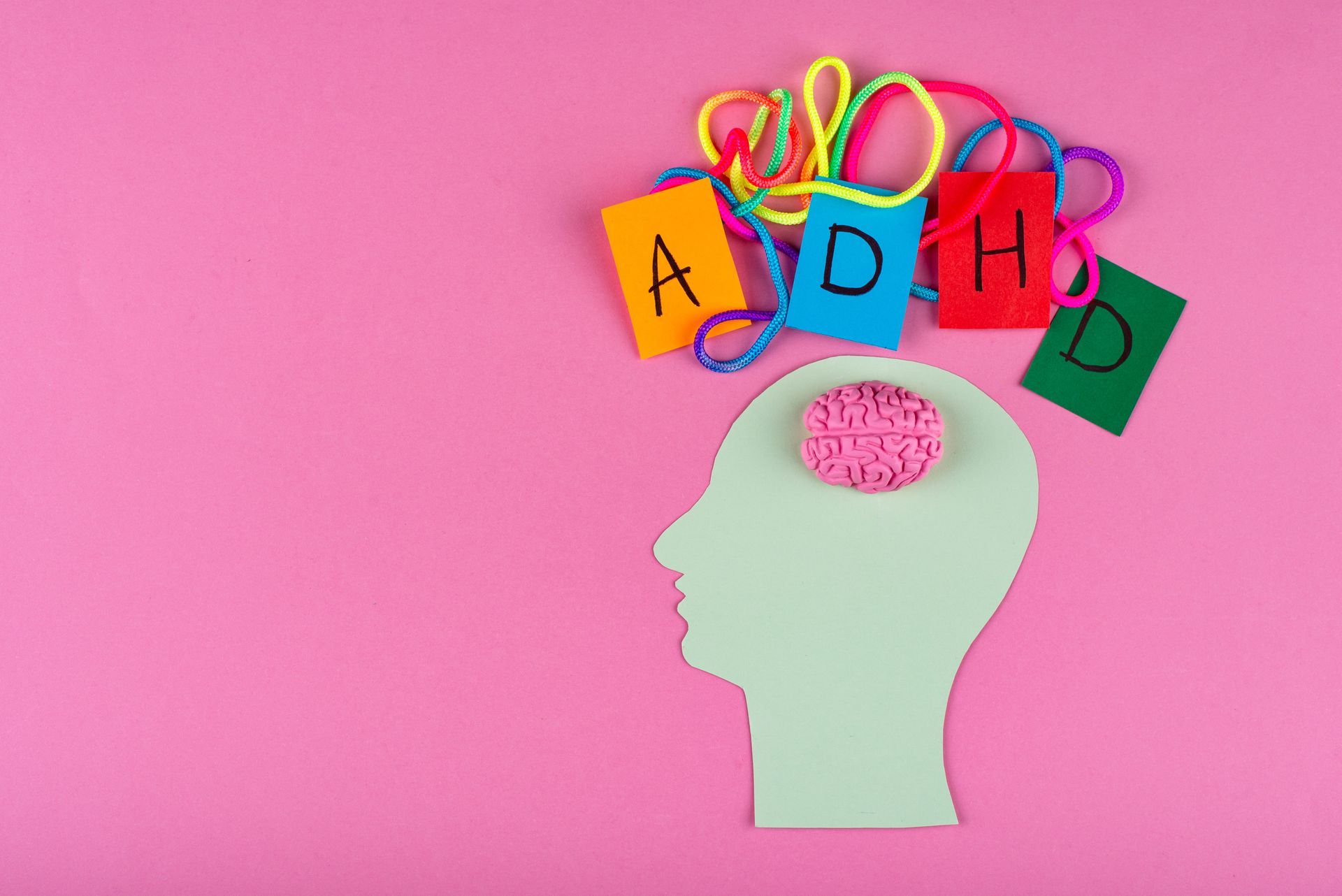
Not all presentations of ADHD look the same. Some people can't sit still. Others seem quiet and daydreamy. Some struggle to pay attention and sit still. These differences reflect different types of ADHD.


ADHD is the most common neurodevelopmental disorder in children and adults. Knowing which type of ADHD you have helps guide treatment. The three main types of attention-deficit/hyperactivity disorder are predominantly inattentive type, predominantly hyperactive-impulsive type, and combined type ADHD.


This guide explains each type of ADHD clearly. You'll learn how to spot symptoms of each type. You'll understand why knowing your type matters for treatment.


Article Outline


You'll learn about the three official types of ADHD. We'll explain what makes each different. You'll see how ADHD symptoms look in children versus adults. We'll cover why evaluation matters and how to get help.


What Are the Three Main Types of ADHD?


ADHD is categorized into three types based on symptoms. The type of ADHD you have can help determine the best treatment.


Predominantly Inattentive Type: People with this type struggle mainly with attention. They seem distracted or forgetful. This was once called ADD, but that term isn't used anymore.


Predominantly Hyperactive-Impulsive Type: This type involves excessive movement and impulsive actions. People fidget constantly or act without thinking.


Combined Type ADHD: This is the most common type. People with combined ADHD show symptoms from both categories, meaning that they struggle with attention and hyperactivity.


Your symptoms of ADHD may evolve over time. For example, a child who struggles with hyperactivity, mayattention problems as they grow.


Predominantly Inattentive Type ADHD: Symptoms and Signs


Inattentive ADHD is often missed, especially in girls. People with predominantly inattentive type don't show obvious hyperactivity. They seem quiet or "spacey."


Common symptoms include:


Trouble paying attention to tasks. You start projects but don't finish them. Reading is hard because your mind wanders. In meetings or classes, you lose track of what's being said.


Problems organizing tasks. Your workspace is messy. You lose items like keys or your phone. Deadlines surprise you. Multi-step tasks feel overwhelming. These are signs of executive functioning challenges that many people with inattentive ADHD face.


Making careless mistakes. You miss important information in emails. Work has errors you didn't notice. You overlook details others catch.


Not listening when spoken to. People say you seem distracted. You ask them to repeat themselves. Your mind drifts even when you try to pay attention.


Getting easily distracted. Background noises pull your focus. Your thoughts interrupt your work. You daydream frequently.


In children versus adults:


Children might seem like they're not trying in school. Teachers say they're "not working up to potential." They forget to turn in homework. They lose school supplies. These school-related problems are often the first sign parents notice.


Adults struggle with organization at work. They underperform despite being smart. Paying bills on time is hard. Managing household tasks is challenging.


Hyperactive-Impulsive Type ADHD: Symptoms and Signs


The hyperactive-impulsive type ADHD is what most people picture with ADHD. This involves excessive movement and acting without thinking.


Symptoms include:

Fidgeting when sitting. You tap your feet, drum your fingers, or shift position constantly. Sitting still feels uncomfortable.


Feeling restless. Even when sitting still, you feel wound up inside. Your mind races. You feel like you always need to do something.


Talking a lot and interrupting. You dominate conversations without meaning to. You finish people's sentences. You interrupt before they're done.


Acting without thinking. You make quick decisions without considering the results. You make impulse purchases. You say things without thinking.


Trouble waiting. Standing in lines frustrates you. You get impatient. You blurt out answers before questions are finished.


Across ages:

Children run around when it's not appropriate. They climb on furniture. They can't play quietly. They talk constantly. They can't stay in their seats. Parents and teachers may notice emotional or behavioral challenges alongside hyperactivity.


Adults feel mentally restless. They might choose active jobs. They may talk a lot in social situations. Impulsivity shows in quick decisions about job changes, relationship changes, or money.


Combined Type ADHD: Both Types Together


Combined-type ADHD is most common. People show symptoms from both the inattentive and hyperactive-impulsive categories.


You might struggle with focus like inattentive type. But you also have hyperactivity and impulsivity. For example, you lose track in conversations (inattentive) and also interrupt people (impulsive).


Why it's diagnosed most often:

Most people have some symptoms from both categories; inattentive and hyperactive-impulsive symptoms often occur together. Combined type has become the most commonly diagnosed form.


Children might be disruptive at school (hyperactive) and also struggle academically (inattentive). Adults might struggle with work organization (inattentive) and restlessness at their desks (hyperactive-impulsive).


The "7 Different Types of ADHD" Myth


You might see articles about 7 different types of ADHD. These aren't official. The official diagnostic manual recognizes only three types of ADHD.


Some practitioners talk about different "kinds of ADHD" based on brain imaging. While research is valuable, these aren't standard classifications. The three main types remain the current standard.


Stick with the three types of ADHD. This helps avoid confusion. There is no single test to diagnose ADHD. A mental health professional uses the standard three-subtype system.


How ADHD Types Look Different in Children and Adults


The type of ADHD may look different by age. Understanding this helps recognize ADHD in adults who were missed as children.


Children:

Hyperactivity is obvious. They run, climb, and can't sit still. Inattentive symptoms show as daydreaming or forgetting homework. Impulsivity appears as blurting answers or grabbing toys. If you're wondering whether your child's behavior might be ADHD or something else, learn more about how to tell if your child has depression or anxiety.


Adults:

Hyperactivity becomes internal restlessness. Adults feel mentally restless instead of running around. They might choose active jobs. They talk a lot socially.


Inattention affects work, household management, and relationships. Adults with ADHD struggle with paperwork and deadlines. They lose important items. They forget appointments.


Impulsivity shows in quick decisions about jobs, relationships, or money. They interrupt in conversations. They make comments without thinking.


Why Women and Girls Are Often Missed


Women and girls more often have predominantly inattentive ADHD. This type is less obvious. Teachers and parents might miss it because these girls aren't disruptive.


Girls might be called "ditzy," "spacey," or "not trying." They work extra hard to compensate. The effort makes the ADHD less visible.


Adult women often aren't diagnosed until later. They seek help for anxiety or depression first. Then they discover underlying ADHD is contributing.


Why Your Type Matters for Treatment


Understanding which type of ADHD you have helps create an effective treatment plan.


Medication:

Stimulant medications work for all three types of ADHD. But the specific medication and dose might vary. Your type is one factor doctors consider.


Therapy:

Inattentive type benefits from organizational skills training. Learning systems for time management helps. Therapy for executive functioning combined with medication works well for many people with this type.


Hyperactive-impulsive type benefits from strategies to manage restlessness. This might include behavioral therapy to improve impulse control. Finding outlets for energy helps.


Combined ADHD requires a comprehensive approach. Treatment plans include medication, therapy, and lifestyle changes.


Accommodations:

Someone with inattentive ADHD might need written instructions at work. Someone with hyperactive-impulsive ADHD might benefit from a job allowing movement.


How ADHD Is Diagnosed


There is no single test to diagnose ADHD. Diagnosis requires evaluation by a qualified mental health professional.


The process includes:

Clinical interview about symptoms and history. ADHD symptoms must have been present since childhood. Your neuropsychologist asks how symptoms affect daily life.


Rating scales. You complete standardized ADHD symptom checklists. For children, parents and teachers provide ratings.


Neuropsychological testing to measure attention and impulse control. Testing helps tell ADHD from other conditions.


Review of school or work records. Report cards and performance reviews show long-standing patterns.

Medical evaluation to rule out other causes. Thyroid problems and sleep disorders can cause cognitive symptoms which mimic ADHD.


This comprehensive evaluation determines which subtype you have to help guide treatment.


Treatment Options for Different Types


Effective treatment for ADHD usually involves multiple approaches.


Medication:

Stimulant medications are most common. They can often help with attention and impulse control. Non-stimulant options exist too.


All three types of ADHD often respond to medication. The specific medication and dose vary by person, and it is important to consult with a prescriber to make sure there are no major contraindications to such medications.


Therapy:

Cognitive behavioral therapy helps with organizational skills and time management. This helps inattentive type. Therapy for ADHD teaches evidence-based approaches that actually work.


Behavioral therapy teaches strategies for managing impulsivity and hyperactivity. This benefits hyperactive-impulsive and combined types. Positive reinforcement is one technique therapists use to build better habits.


Lifestyle changes:

Exercise helps manage ADHD symptoms across all types. It's helpful for hyperactivity and restlessness.

Sleep, nutrition, and stress management often positively affect ADHD symptoms. These basics support any treatment plan.


Coaching:

An ADHD coach can help with organizational systems. Parent coaching is especially useful for families with children who have ADHD. For adults, coaching helps with work and life management.


FAQ: Common Questions About Types of ADHD


Can your type change over time?

Yes. Many people's symptoms shift as they age. Hyperactive symptoms often decrease in adulthood. Inattentive symptoms may become more apparent.


Which type is most common?

Combined type ADHD is diagnosed most often. However, this partly reflects that it's easier to identify symptoms from both categories.


Is one type worse than others?

No type is worse. Each creates different challenges. Severity depends on how much symptoms interfere with your life.


Can you have symptoms from all types?

The three types aren't completely separate. Most people have some symptoms from multiple categories. The type reflects which symptoms are most prominent.


Do girls and boys get different types?

Boys are more often diagnosed with hyperactive-impulsive type. Girls more often have inattentive type. However, both can have any type.


Does knowing your type help with treatment?

Yes. Understanding your symptom pattern helps target treatment. It guides medication choices, therapy focus, and accommodation needs.


Summary: Key Points About Types of ADHD


Three official types exist: Inattentive, hyperactive-impulsive, and combined type are the only recognized classifications.


Inattentive type involves attention problems like distractibility and forgetfulness. It's often missed, especially in girls.


Hyperactive-impulsive type involves excessive movement and acting without thinking. It's more obvious in children.


Combined type includes symptoms from both and is most commonly diagnosed.


Your type can change as symptoms evolve from childhood through adulthood.


Gender affects diagnosis. Girls more often have inattentive type, which is easier to overlook.


Knowing your type guides treatment. Different types may benefit from different combinations of medication and therapy.


Professional evaluation determines your type. Comprehensive assessment identifies both whether you have ADHD and which type.


Get Professional ADHD Evaluation at Newton Neuropsychology Group


Understanding which type of ADHD you have starts with proper evaluation. At Newton Neuropsychology Group, we provide comprehensive ADHD assessments in Newton, MA.


Our evaluations:


  • Determine whether ADHD is present
  • Identify which type you have
  • Distinguish ADHD from other conditions
  • Provide treatment recommendations
  • Create a personalized plan


We also offer neurodevelopmental evaluations for children and neurocognitive evaluations for adults who need comprehensive testing beyond ADHD.


Learn more about what to expect during your evaluation, or visit our resources and FAQ page for answers to common questions.


Ready to learn more?


Call us at 617-564-1540 or visit ADHD Evaluations to schedule your evaluation. You can also reach us through our contact form.

Recent Posts

Child using behavioral therapy techniques for ADHD management at Newton Neuro Psychology Group
By Jessica Gashin February 27, 2026
Discover effective therapy approaches for ADHD including CBT, behavioral therapy, and parent training. Learn how therapy helps children and adults manage symptoms.
Silhouette head with paper brain,
By Jessica Gashin February 17, 2026
Discover common ADHD symptoms in adults including inattention, impulsivity, and hyperactivity. Learn when to seek testing from Newton Neuropsychology Group in MA

Professional neuropsychologist reviewing evaluation materials in Newton MA office
By Jessica Gashin February 11, 2026
Wondering about neuropsychological testing costs? Get clear pricing, insurance info, and budget tips from Newton Neuro Psychology Group in Newton, MA.
By Newton Neuropsychology Group December 23, 2025
Like most areas of mental health, neuropsychologists seem to have experienced an uptick in the number of people seeking services in the last year. I think one of the reasons is that the pandemic and related issues have stressed our executive functions. Executive functions are higher order functions that are generally associated with the frontal lobe of the brain, an area that continues to develop well into our 20’s. Executive functioning includes planning and organizing, task initiation, task completion, working memory, and inhibiting impulses. In short, executive functioning skills underlie our ability to achieve at work and at school. There seem to be two main ways that the pandemic has affected executive functioning. First of all, the pandemic has globally increased stress and anxiety. When we feel stressed, our executive functioning breaks down. Think of a time that you felt extremely anxious and overwhelmed. I bet everyday tasks seemed daunting and overwhelming. One example I like to share with patients is my personal experience at the beginning of the pandemic. Prior to March 2020, when I left my house, I had a list of essentials items that I would repeat to myself, “Keys, wallet, phone.” This is my executive functioning skills ensuring that I did not forget these essential items. All of a sudden, this list evolved into, “Keys, wallet, phone, Clorox wipes, mask, hand sanitizer.” The very act of needing to wear a mask and having Clorox wipes in my car increased my level of anxiety. I was so focused on needing these new items that there were many times in April and May 2020 that I left my house with Clorox wipes and a mask but without my keys or phone. Secondly, without much warning, the pandemic shifted the way that we worked and attended school. The physical setting of a workplace or school adds structure that supports our executive functioning. For example, there are built in times in high schoolers’ days to go to their locker and switch out materials for class. An elementary student who spaced out when directions were given and is now unclear about what materials are needed for a science project, can look around the classroom and see what his neighbors are doing. Your workday had more structure to it, with physical meeting times, and maybe even a scheduled lunch break. Suddenly, these external structures were no longer in place. Even some of the strategies we used independently were no long relevant or helpful. Without these strategies and structure, many people who have inherent executive functioning difficulties have really struggled. In short, the pandemic has shed light on difficulties that people were previously able to manage independently. A neuropsychological evaluation can help pinpoint and quantify these difficulties, identify the etiology of these struggles (something like anxiety versus ADHD), and identify recommendations to help you or your child. This will be particularly important as we return to a modified version of in-person learning or work.

By Newton Neuropsychology Group December 23, 2025
A frequently asked question that I get is to explain the difference between a private neuropsychological evaluation and a school evaluation. There are several differences, including expertise of evaluators and diagnostic considerations. Both types of evaluations can be instrumental in ensuring that your child gets the accommodations and support necessary to meet his or her individual needs.  School evaluations are conducted by the special education department of your school district and are generally completed once a parent requests a full evaluation. A school evaluation has many parts, based on the presenting issue. The parts vary by school district, but generally a school psychologist will conduct a psychological portion, a special educator will conduct the educational portion, a speech and language pathologist will conduct a speech and language evaluation (if applicable), an occupational therapist will conduct an occupational therapy evaluation (if applicable), and a physical therapist will conduct a physical therapy evaluation (if applicable). Other types of evaluations may also be completed by different specialists, such as a home evaluation or functional behavioral analysis. Each evaluator has specialized training in his or her specific field. The purpose of the school evaluation is to identify any issues that impact the student’s ability to access school curricula. “Again, this varies district to district, but most districts in Massachusetts will not provide an emotional or neuropsychological diagnosis, such as anxiety, depression, ADHD, or autism. A school evaluation may be sufficient if the presenting issue is primarily academic or specific to one of these specialized areas (speech, occupational therapy, physical therapy).” The pitfall of school evaluations One pitfall of school evaluations is that typically if a child scores in the Average range on a given measure, he/she is seen as able to access the curricula, and often does not qualify for services. A private neuropsychological evaluation will consist of one evaluator who looks at most areas a school evaluation will look at. A neuropsychologist will also be able to look more in depth at certain areas and be able to tailor the evaluation to your child’s needs. A neuropsychologist will provide a diagnosis (if relevant), which may help make a case for school accommodations. Additionally, neuropsychologists will make specific recommendations to support a child’s functioning outside of school. If you are concerned that your child may have a diagnosis, such as ADHD, autism, or an emotional disorder, a private evaluation will give you the most information.

By Newton Neuropsychology Group December 23, 2025
Probably the most frequently asked question when I was doing family therapy was, “How do I make my kid STOP doing something.”  Research shows that positive reinforcement is the best way to make lasting behavior changes, not punishment. This means that you need to rethink things and concentrate on the behavior you want to increase, not the behavior that you need to stop. For example, a few weeks before quarantine started, my daughter started being mean to my son (hitting, grabbing toys, etc.). Instead of working on STOPPING that behavior, we worked on increasing the number of times that she was kind to him (although dangerous behaviors like hitting were addressed with a time out). To do this we used the positive behavior jar technique. She earned a jelly bean in a jar every time we saw her doing something kind to her brother, with the promise of a present when the jar was full. It could be sharing, giving him a hug, anything. Soon enough, she started looking for ways to earn jelly beans and their relationship shifted. Gradually, we phased out the jelly beans but she was still nice to him. “Why does this work? You are reinforcing the behavior you want to increase in two ways. First, you are giving external rewards with the jelly bean and with your praise. Eventually, most children also develop an intrinsic sense of accomplishment, first for earning the reward, and eventually for mastering something.” Once that is fully developed you can remove the external reward. It also works because it changes your mindset. Instead of looking for negative behaviors you watch for positive ones. it’s not bribery, it’s positive reinforcement. The biggest roadblock I see is the parent’s reluctance. I can’t tell you how many times I’ve heard, “I don’t want to bribe my child.” Remember, it’s not bribery, it’s positive reinforcement. Ok, it’s a little bit of bribery but we all do this all the time. Did you wait to relax after bedtime until the kitchen was clean? Or did you hold off on buying that new gadget until you completed that big project at work? You are positively reinforcing yourself! When introducing any new plan like this to your child, it is so important that you are excited about it. It’s so important that I will say it again. Be enthusiastic when you introduce it! Make them feel that this is something special that they GET to do. Better yet, create some buy in by getting the child to help by decorating the jar or chart, and identifying special rewards.
By Newton Neuropsychology Group December 23, 2025
5 ultimate tips for helping your child with ADHD succeed both at school and at home. Trouble paying attention, easily distracted, acting impulsively. We, as a society, commonly think of these as negative characteristics that lead to failure at school; yet, they are also attributes of many children with ADHD. ADHD (attention deficit/hyperactivity disorder) is one of the most common neurodevelopmental disorders of childhood. In fact, around 6.1 million children in the US were diagnosed with ADHD in 2016. So, are we saying that 6.1 million children in the US are doomed to fail at school? No, of course not! Now I’m not denying that there are special challenges that children with ADHD will face at school. Research does suggest that children with ADHD are more likely to need tutoring and receive lower test marks. Therefore, as a parent or teacher of a child with ADHD, their performance at school is definitely a reasonable concern. First things first, it is most important to remember that helping children with ADHD is not about getting them to try harder. While it may be tempting, it’s actually quite counter-productive to push them to try harder to concentrate or stop getting distracted. Rather, it is about providing them with a supportive environment and appropriate accommodations for them to succeed. So, here are a few steps you (as a parent or teacher) can take to help accomplish this. 1. Get a proper diagnosis This might seem obvious to some, but it’s a step that is sometimes overlooked. Lack of treatment is a major consequence of not receiving a diagnosis. Behavior therapy provided by specialists or medication can be extremely helpful and is only possible with an ADHD diagnosis. In order to be diagnosed, one must be evaluated by a medical professional at a neuropsychological testing center, much like our very own Newton Neuropsychology Group. A medical professional will not only be able provide you with an accurate diagnosis, but also provide any medications or suggestions for cognitive-behavioral therapy . 2. Work as a team Parents, the school administration, and teachers are all essential components in creating a supportive environment for the child. Parents are vital in providing information about their child’s needs and goals to the school. This is fundamental in ensuring that all important adults in the child’s life have context and information. In turn, the school may be able to place the child with teachers that fit their learning style. Teachers can also adjust their help by minimizing distractions in the classroom. Some examples include seating them at the front of the classroom, away from windows and doors. Teachers can also observe specific behaviors in the classroom that they can communicate with the parents. "Helping children with ADHD is not about getting them to try harder...it is about providing them with a supportive environment and appropriate accommodations for them to succeed."
By Newton Neuropsychology Group December 23, 2025
“Why are you feeling anxious? You’re just a kid, you have no real problems to deal with!” I, along with many of my friends, remember constantly hearing this from adults when we were teenagers. I remember feeling as if I couldn’t feel worried or scared because I hadn’t earned the right to feel that way. As if there was some magical age where it would suddenly be okay to be anxious. I’m sure I wasn’t the only teenager to feel this way. While I personally was not diagnosed with depression or anxiety, depression and anxiety are among the most common mental health disorders in children and adolescents. It’s important to remember that depression and anxiety can affect people of any age. Just like adults, it’s normal for children to have fears and worries. But when those fears and worries become prolonged or extreme, they could be due to depression or anxiety. Signs of depression Depression is more than just feeling sad or having a bad day. It's a serious condition that can affect one’s sleep, appetite, and energy levels. In children and adolescents, depression can also impact schoolwork, social life, and relationships with friends and family members. Depression in children and adolescents may not always look the same as it does in adults because they have different needs at this stage of development. For example: Some will show signs of sadness or irritability when they're depressed—but others might withdraw from friends and family members instead of expressing their feelings outwardly (like crying or yelling).  A child or adolescent with depression may have abnormal sleeping habits—either sleeping too much or not getting enough sleep. This may result in difficulty paying attention at school or being unable to complete homework. Showing signs of self-injury or conducting self-destructive behaviors. Some may cause trouble, causing others to label them as lazy or a troublemaker without recognizing it as a sign of depression. Others may withdraw from others, making it difficult to notice that they are feeling depressed. Signs of anxiety Just like with depression, the signs and symptoms of anxiety can vary depending on one’s age and stage of development. Some signs may be: Being fearful or worried about what may happen. This can include worrying about developing a serious illness or injury, being separated from parents or loved ones, performing poorly in school, disappointing others or oneself, and many other things. Excessive shyness around unfamiliar people or situations (such as a new playdate). Avoidance of specific situations that cause anxiety (for example, riding in elevators because it makes your child feel trapped). Again, just like depression, anxiety can affect one’s sleep as they could be kept awake at night. Depression in children and adolescents may not always look the same as it does in adults because they have different needs at this stage of development. Diagnosis Depression is typically diagnosed when symptoms last for 2 weeks or longer. The best way is to talk to your doctor or another qualified health professional. They can make a diagnosis and give advice about treatment options, which will be essential in learning to navigate this difficult situation. Treatment Depression and anxiety in children and adolescents can be treated with psychotherapy, medication and other interventions. Psychotherapy: Psychotherapies for depression include cognitive behavioral therapy (CBT) for younger children, family therapy for younger and older children, and play therapy with older children. Medication: SSRIs (selective serotonin reuptake inhibitors) are commonly used to treat depression and anxiety disorders Changing behaviors: While changing behaviors may not completely treat depression and anxiety, it can help manage symptoms. Practicing mindfulness, doing physical activity, and getting a healthy amount of sleep each night are all helpful behaviors. How can I help? As a parent, you can help your child by: Encouraging them to find ways to deal with their emotions. For instance, if they feel like crying, encourage them to have a good cry (if appropriate). You could also suggest some activities that might make them feel better—for example, spending time with friends or going for a walk in nature. Encouraging them to seek professional support if they need it. Learn to recognize warning signs. This is the first step to helping your child battle depression and/or anxiety. Understanding the signs and symptoms of depression and anxiety in children is the first step towards getting help. Especially since children with depression or anxiety may not show any outward symptoms, it’s important to pay attention to how your child is feeling inside. If you think that your child might be suffering from depression or anxiety, speak to a mental health professional immediately. They will be able to give you advice on how best to manage these conditions so that they don't develop into something more serious later on in life.
By Newton Neuropsychology Group December 23, 2025
I can’t be the only one who procrastinates on important tasks even though I know it not only doesn’t help but also causes more stress. Procrastination is defined as the act of intentionally delaying tasks by doing less important or more enjoyable tasks in place, and was once described as “ one of the least understood human miseries ”. For example, when I have a lot of work to do, I choose to binge watch a TV show for hours, instead of actually getting the work done and eliminating my stress. The negative consequences of procrastination stretch from physical health to mental health. When we procrastinate, we are more likely to sleep less, eat poorly, drink more alcohol, have illnesses, and experience anxiety, guilt, and even more pressure. This all boils down to the question of, why? Why do we engage in procrastination despite our awareness of the consequences? Why do I choose to do literally anything else, except for the actual task that will diminish my stress? It all seems pretty counterproductive. Research has shown that the causes are a complex intertwinement of behavioral, socio-cultural, and biological issues. It can not be boiled down to one single factor as the driving force. Self-efficacy Some researchers believe that at its core, procrastination is a reflection of a person’s perception of their own self-worth and self-efficacy. Self-efficacy is our belief in our ability to complete a task, which affects our effort, persistence, resilience, and level of performance. When we are faced with a challenging task, the first thing we do is evaluate our own abilities to accomplish the task. Even if it’s subconsciously, we ask ourselves, “can I do this? Do I know how to do this?” If we have a low self-efficacy, we might abandon our tasks because of our believed “deficiencies”. As self-efficacy decreases, procrastination increases. Additionally, procrastinators tend to make a direct connection between level of performance and self-worth. What this means is that when we perform poorly on a task, we may attribute that to our own capabilities and self-worth instead of recognizing other obstacles that may have affected our level of performance. And, instead of seeing our successes as the result of our efforts, we just see it as luck. Procrastination then becomes purposeful—a method to maximize the time our pride is protected. Fear of Failure and Perfectionism Very closely related to self-efficacy, procrastination can be a result of our fear of failure. It’s easier to blame disorganization and lack of time for your failures instead of admitting your own inadequacy. An illustration of this could be receiving negative feedback on a task from a superior. If you had procrastinated, you would be able to tell yourself that the reason you performed poorly was because you didn’t spend enough time on the task, not because you were incapable. This feature of failure can sometimes come from perfectionism, even if we may not know it ourselves. Many procrastinators put unrealistic demands on themselves, feeling immense pressure. As they become overwhelmed, they will procrastinate in order to withdraw themselves from the task. Perfectionists might also believe they can achieve excellence with minimal effort. When this isn’t the case, they resort to delaying the task, avoiding the truth. Task Characteristics Finally, the nature of the task itself can also be why people choose to procrastinate. The logic behind this idea is simple: if we don’t like the task, we won’t want to do it, so we’ll choose to do something else instead. I personally hate washing the dishes. So, even when I know it will take me 5 minutes to clean the lunch I just made, I simply refuse to do it and put it off until I have to make dinner. What Can We Do? If you are someone who believes a large part of your procrastination stems from self-esteem, remind yourself that your performance on tasks is not an indicator of your self-worth. Even if you fail, that’s okay! Instead of constantly trying to protect our pride, we have to acknowledge that some tasks will just have to take more effort. It doesn't mean we're not good enough. If perfectionism is the culprit of your procrastination, try not to focus on making every little detail perfect the next time you do a task. Just get started and see where you go from there, even if it might not turn out exactly like you had envisioned. Of course, there are lots of other factors that affect procrastination as well. Anxiety, depression, lack of energy, and ADHD are all also possible causes. And, many of these factors mentioned today may not apply to you as well. But, the more we reflect on ourselves, the more we may be able to figure out why we choose to procrastinate and counteract those causes.
By Newton Neuropsychology Group December 23, 2025
In the first installment of our series Clinician Spotlight, we sit down with our talented clinician Dr. Haroon Malik and find out about his journey, challenges, and values as a psychologist! 
Show More