

Heading back to school can create so many big feelings from anxiety to excitement.

The transition from fluid, fun-filled summer to the structured rhythm of the school year can feel like a jolt to the system, for both kids and parents. Moving from late nights and sleeping in to early alarms and homework requires more than just buying new school supplies. It requires an intentional shift in your household’s daily rhythms. By establishing routines early, fostering collaboration, and balancing structure with flexibility, you can set your child up for a successful, lower-stress school year. Here is a guide on how to navigate this transition smoothly! 1. Start Early and Collaborate (Create “Buy-In”) The golden rule of school transitions is to prepare ahead of time! Starting to shift your family’s schedule a week or two before the first bell rings will make the actual first week of school feel like a breeze rather than a shock to the system. To make this transition easier, involve your child in the planning process. When children have a say in their routine, they develop a sense of ownership and are far more likely to cooperate. How to collaborate: Sit down together and co-create the daily schedule. Offer a few, structured choices to create buy-in. For example, ask: “Would you rather pack your backpack before dinner or right before bed?” or “Do you want to pick out your outfit for the next day, or should we do it together?” Establish non-negotiables: While collaboration is key, parents must set the boundaries. Clearly define the non-negotiables upfront, such as weekly screen time limits. Knowing the firm boundaries makes the flexible areas easier to negotiate. 2. Master the Bedtime Routine to Save Your Mornings A successful morning is won the night before. If your child is sleep-deprived, the morning routine will inevitably become a battleground. The Incremental Shift: Gradually move bedtime and wake-up times earlier by short increments (about 15-20 minutes) every few days until you reach the target school-year schedule. The “Wind-Down” Ritual: Transitioning the brain from high energy to sleep takes time. Implement a consistent, screen-free wind-down routine. This might include a warm bath, reading together, or listening to quiet music. Morning Prep Before Bed: Eliminate morning decision fatigue! Make it a rule that tomorrow’s breakfast is decided, backpacks are packed, shoes are by the door, and outfits are laid out the night before. 3. Prioritize After-School Decompression The end of the school day is a critical transition point. Kids spend all day holding in their energy, managing emotions, and following strict rules. When they get home, they often experience “after-school restraint collapse.” To prevent meltdowns, build in dedicated decompression time: The Silent Car Ride: Sometimes, the best greeting is silence. Give your child permission to have a quiet ride home without immediately asking, “How was your day?” Let them initiate the conversation when they are ready. The Immediate Snack: Low blood sugar is the enemy of cooperation. Meet your child at the door or in the car with a nutritious, filling snack to recharge their physical battery immediately. Move the Body: Before asking them to sit down for homework, let them release pent-up physical energy. Dedicate 20–30 minutes after school (or right after dinner) for outdoor play, riding a bike, or a family walk. Clearing the mind physically makes it much easier to focus mentally later. 4. Practice “Flexible Consistency” Consistency is the foundation of security for children, but rigidity can breed anxiety. Aim for flexible consistency . Stick to your routines as closely as possible, but recognize when your child is genuinely exhausted, overwhelmed, or needs a break. If a Tuesday night homework session is met with tears and extreme fatigue, it is okay to pivot, allow an early bedtime, and tackle the work in the morning or communicate with the teacher. By starting early, offering choices, and prioritizing rest and decompression, you aren’t just surviving the back-to-school transition, you are teaching your child valuable life skills in time management, self-regulation, and balance. 5. Ease Into “Brain Work” During the summer, cognitive demands look very different. Expecting a child to immediately transition to focusing for six hours a day can lead to mental fatigue and frustration. In the week leading up to school, start reintroducing structured cognitive activities. This doesn’t mean worksheets; instead, encourage 20–30 minutes of sustained reading, playing board games that require strategy, or working on puzzles. This helps rebuild the “focus stamina” they will need in the classroom.

The transition from relaxing summer to a fixed school schedule can be difficult, especially for kids with executive functioning challenges. With increasing demands, students need to plan more and procrastinate less. You may be wondering what you can do to make this transition smoother for your kids. We have some tips!

Learn more about Dr. Burns, one of our amazing clinicians here at Newton Neuro. Neuropsychological testing for children and adults in greater Boston. ADHD, autism, learning disorders, and therapy services.

Learn about evidence-based ADHD treatments and effective therapy methods that truly make a difference. Start your journey towards better focus and emotional well-being today.
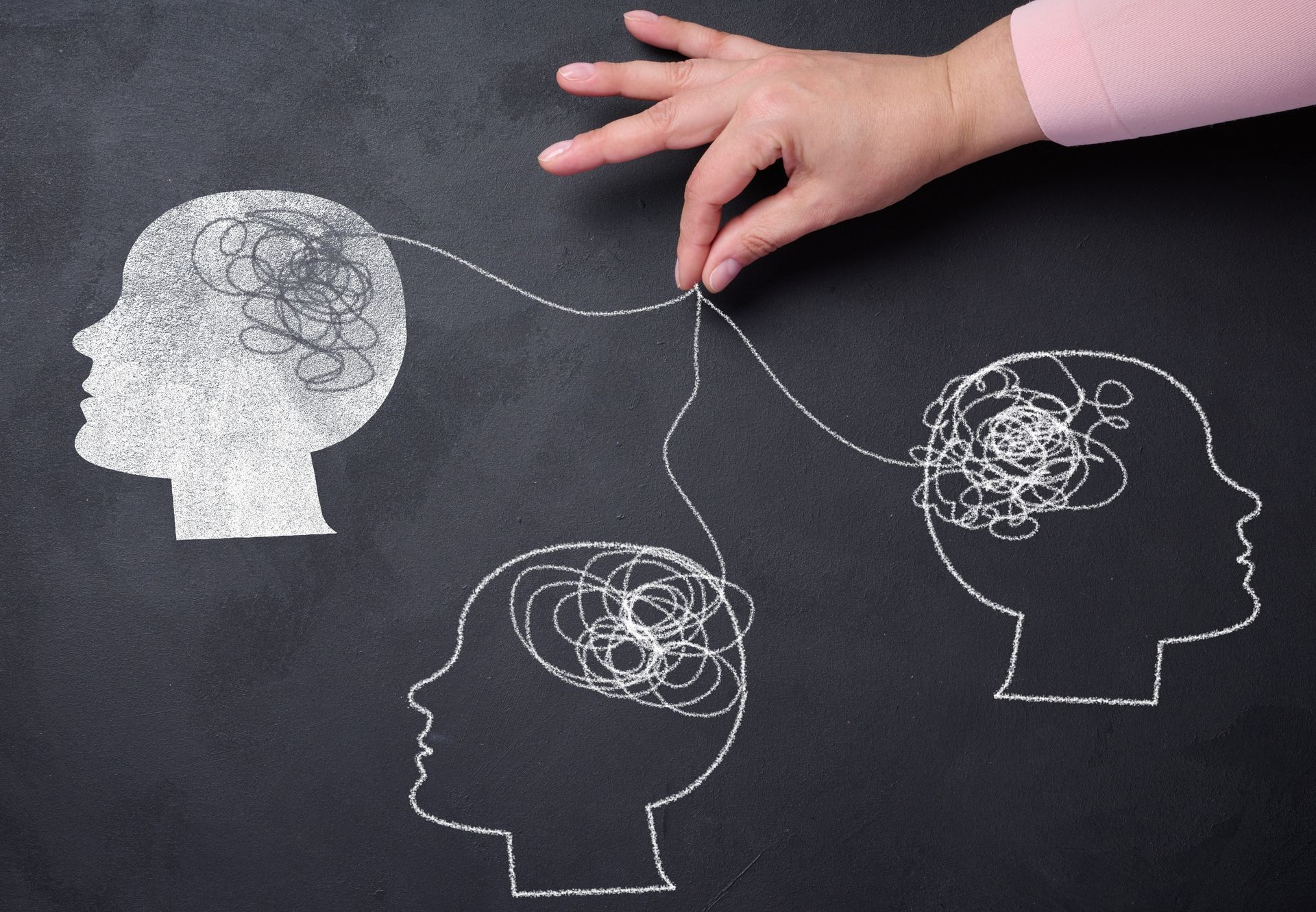
Learn about the three main types of ADHD including inattentive, hyperactive-impulsive, and combined types. Understand symptoms at Newton Neuro.
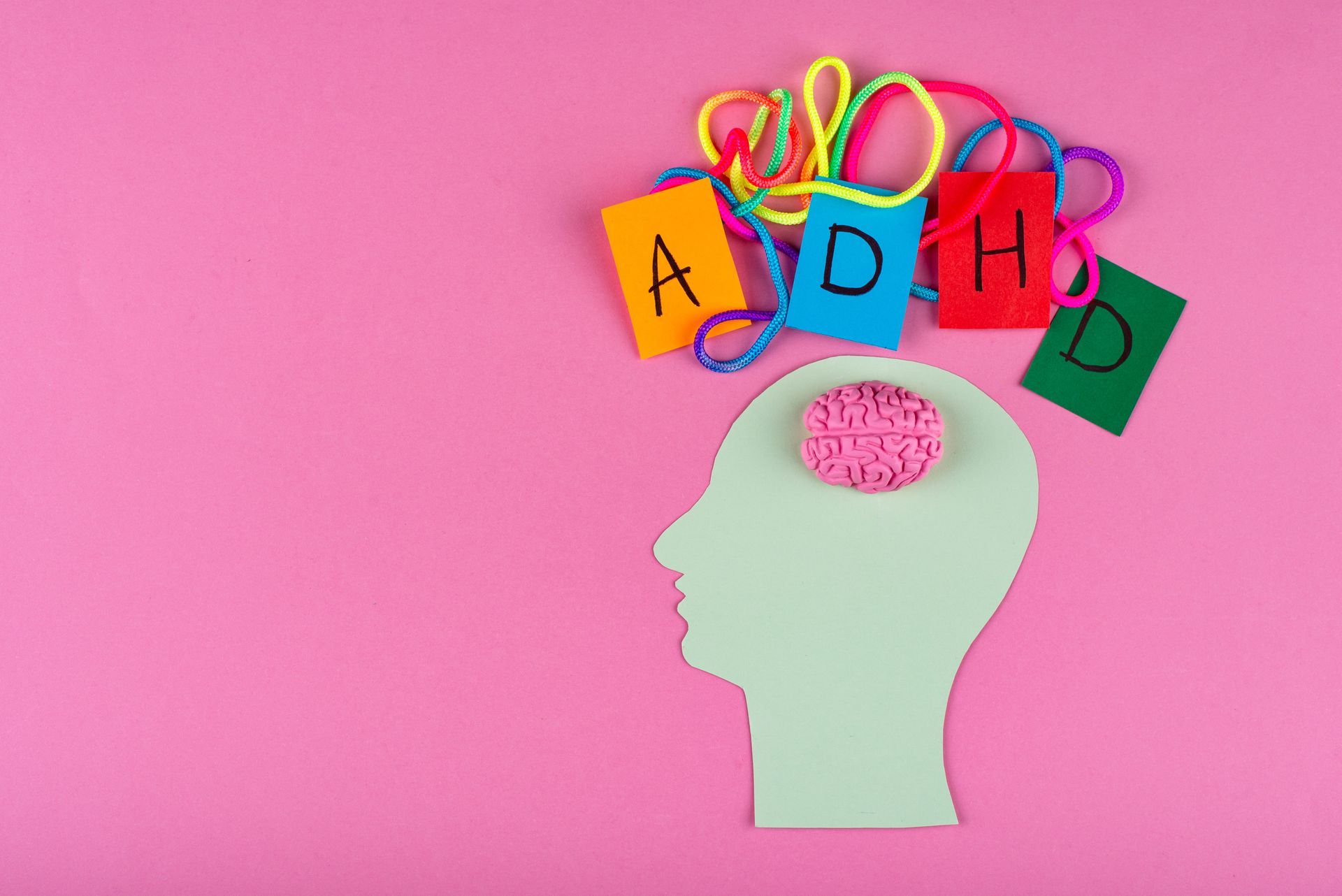
Discover common ADHD symptoms in adults including inattention, impulsivity, and hyperactivity. Learn when to seek testing from Newton Neuropsychology Group in MA

Learn about the costs associated with neuropsychological testing, including what factors to consider when budgeting for these essential evaluations.

Like most areas of mental health, neuropsychologists seem to have experienced an uptick in the number of people seeking services in the last year. I think one of the reasons is that the pandemic and related issues have stressed our executive functions. Executive functions are higher order functions that are generally associated with the frontal lobe of the brain, an area that continues to develop well into our 20’s. Executive functioning includes planning and organizing, task initiation, task completion, working memory, and inhibiting impulses. In short, executive functioning skills underlie our ability to achieve at work and at school. There seem to be two main ways that the pandemic has affected executive functioning. First of all, the pandemic has globally increased stress and anxiety. When we feel stressed, our executive functioning breaks down. Think of a time that you felt extremely anxious and overwhelmed. I bet everyday tasks seemed daunting and overwhelming. One example I like to share with patients is my personal experience at the beginning of the pandemic. Prior to March 2020, when I left my house, I had a list of essentials items that I would repeat to myself, “Keys, wallet, phone.” This is my executive functioning skills ensuring that I did not forget these essential items. All of a sudden, this list evolved into, “Keys, wallet, phone, Clorox wipes, mask, hand sanitizer.” The very act of needing to wear a mask and having Clorox wipes in my car increased my level of anxiety. I was so focused on needing these new items that there were many times in April and May 2020 that I left my house with Clorox wipes and a mask but without my keys or phone. Secondly, without much warning, the pandemic shifted the way that we worked and attended school. The physical setting of a workplace or school adds structure that supports our executive functioning. For example, there are built in times in high schoolers’ days to go to their locker and switch out materials for class. An elementary student who spaced out when directions were given and is now unclear about what materials are needed for a science project, can look around the classroom and see what his neighbors are doing. Your workday had more structure to it, with physical meeting times, and maybe even a scheduled lunch break. Suddenly, these external structures were no longer in place. Even some of the strategies we used independently were no long relevant or helpful. Without these strategies and structure, many people who have inherent executive functioning difficulties have really struggled. In short, the pandemic has shed light on difficulties that people were previously able to manage independently. A neuropsychological evaluation can help pinpoint and quantify these difficulties, identify the etiology of these struggles (something like anxiety versus ADHD), and identify recommendations to help you or your child. This will be particularly important as we return to a modified version of in-person learning or work.

A frequently asked question that I get is to explain the difference between a private neuropsychological evaluation and a school evaluation. There are several differences, including expertise of evaluators and diagnostic considerations. Both types of evaluations can be instrumental in ensuring that your child gets the accommodations and support necessary to meet his or her individual needs. School evaluations are conducted by the special education department of your school district and are generally completed once a parent requests a full evaluation. A school evaluation has many parts, based on the presenting issue. The parts vary by school district, but generally a school psychologist will conduct a psychological portion, a special educator will conduct the educational portion, a speech and language pathologist will conduct a speech and language evaluation (if applicable), an occupational therapist will conduct an occupational therapy evaluation (if applicable), and a physical therapist will conduct a physical therapy evaluation (if applicable). Other types of evaluations may also be completed by different specialists, such as a home evaluation or functional behavioral analysis. Each evaluator has specialized training in his or her specific field. The purpose of the school evaluation is to identify any issues that impact the student’s ability to access school curricula. “Again, this varies district to district, but most districts in Massachusetts will not provide an emotional or neuropsychological diagnosis, such as anxiety, depression, ADHD, or autism. A school evaluation may be sufficient if the presenting issue is primarily academic or specific to one of these specialized areas (speech, occupational therapy, physical therapy).” The pitfall of school evaluations One pitfall of school evaluations is that typically if a child scores in the Average range on a given measure, he/she is seen as able to access the curricula, and often does not qualify for services. A private neuropsychological evaluation will consist of one evaluator who looks at most areas a school evaluation will look at. A neuropsychologist will also be able to look more in depth at certain areas and be able to tailor the evaluation to your child’s needs. A neuropsychologist will provide a diagnosis (if relevant), which may help make a case for school accommodations. Additionally, neuropsychologists will make specific recommendations to support a child’s functioning outside of school. If you are concerned that your child may have a diagnosis, such as ADHD, autism, or an emotional disorder, a private evaluation will give you the most information.